

Introduction
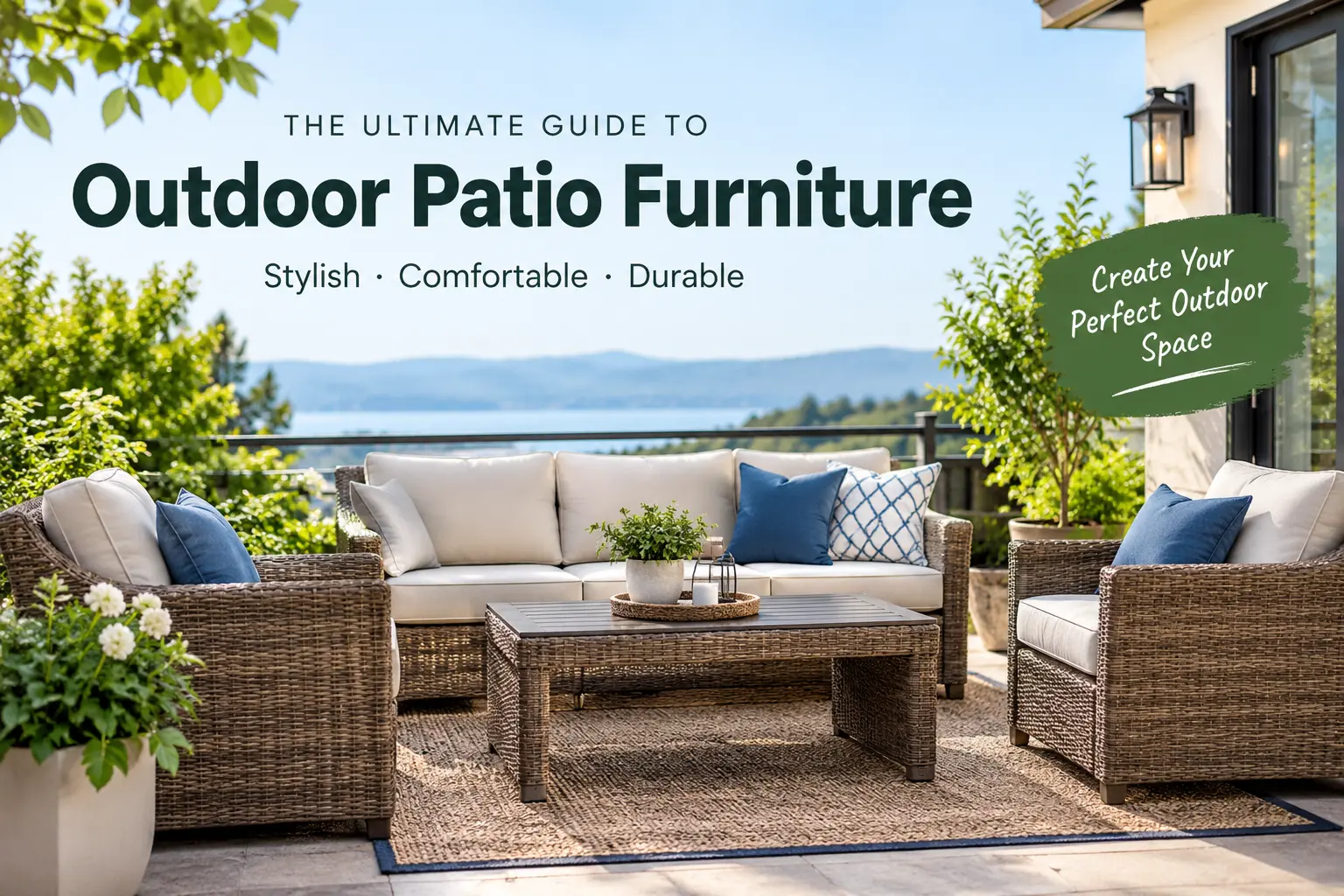
Outdoor spaces can become some of the most enjoyable areas of a home when they are designed with comfort, functionality, and style in mind. A patio can serve as a relaxing place to enjoy morning coffee, a dining area for family meals, a reading corner, or a welcoming space for entertaining friends. The right outdoor patio furniture helps turn an ordinary outdoor area into a practical and attractive extension of your home.
Choosing patio furniture, however, involves more than selecting pieces that look good in a showroom or product photograph. Outdoor furniture faces sunlight, rain, wind, humidity, temperature changes, and regular use. The best choice depends on the available space, local climate, preferred design, maintenance requirements, and budget.
Some homeowners prefer wooden furniture because of its natural appearance. Others choose aluminum frames for their lightweight construction, synthetic wicker for its woven texture, or plastic furniture for its affordability. Each material has different strengths, limitations, and care requirements.
What Is Outdoor Patio Furniture?
Outdoor patio furniture refers to seating, tables, storage pieces, and related accessories designed for outdoor living areas. These products are commonly used on patios, balconies, terraces, decks, porches, gardens, and poolside spaces.
Unlike indoor furniture, outdoor furniture must cope with environmental conditions. Manufacturers may use protective coatings, weather-resistant frames, UV-resistant fabrics, drainage-friendly designs, and durable construction to improve performance outdoors.
Common examples include:
- Outdoor sofas and sectional seating
- Patio chairs and armchairs
- Outdoor dining tables and chairs
- Coffee tables and side tables
- Sun loungers and reclining chairs
- Benches and garden seats
- Bistro sets for compact areas
- Outdoor ottomans and footrests
- Furniture storage boxes
- Shade umbrellas and compatible bases
Not every product advertised as outdoor furniture can remain outside throughout the year. Some pieces are designed for covered patios, while others can tolerate more direct exposure to the elements.
Before buying, read the manufacturer’s care instructions and check whether the furniture is intended for uncovered outdoor use.
Why Invest in Quality Outdoor Patio Furniture?
Outdoor furniture can improve how you use your property. A carefully planned patio may provide additional seating, a place to eat outside, and a comfortable setting for spending time with family.
Create a Comfortable Outdoor Living Area
Comfortable chairs, supportive sofas, and suitable tables make an outdoor space easier to use every day. Instead of treating the patio as an empty area, you can create a destination for reading, relaxing, working, or socializing.
Cushions, footrests, and side tables can make the arrangement more convenient. Choose outdoor-rated cushions and fabrics that suit the amount of sun and rain the furniture receives.
Make Better Use of Available Space
A balcony, terrace, or backyard can offer useful living space without requiring a major renovation. The right furniture arrangement can make a compact area feel organized and welcoming.
For example, a small round table and two chairs may create a practical breakfast area. A larger patio could support separate dining and relaxation zones.
Improve the Appearance of Your Home
Modern outdoor patio furniture is available in a wide range of styles, from minimalist metal frames to traditional wooden benches and woven seating.
Choosing colors and materials that complement your home’s exterior can create a more coordinated appearance. Neutral furniture can provide a timeless base, while cushions, planters, and decorative accessories introduce personality.
Support Outdoor Entertaining
A suitable dining set allows family members and guests to enjoy meals outside. Additional lounge chairs or a sofa can create a comfortable area for conversation.
Consider how many people you normally entertain instead of buying the largest set available. A practical arrangement should provide enough seating without making movement difficult.
Make Outdoor Relaxation More Convenient
A reclining chair, cushioned bench, or comfortable outdoor sofa can encourage you to spend more time outside.
The best furniture depends on how you intend to use the space. A dining-focused patio needs different pieces from a quiet reading corner or a poolside lounging area.
Types of Outdoor Patio Furniture
Understanding the main furniture categories helps you choose pieces that match your needs.
1. Outdoor Patio Furniture Sets
Patio furniture sets usually include coordinated seating and tables. A set might contain two chairs and a small table, four dining chairs and a table, or a sofa with matching armchairs and a coffee table.
The main advantage is convenience. Buying a set can make it easier to achieve a consistent appearance, and some bundled options may cost less than purchasing every item separately.
However, check the dimensions before ordering. A set that looks compact in a product photograph may occupy a substantial amount of space.
Look at the frame material, cushion construction, weight capacity, warranty, and assembly requirements. Also check whether the price includes every item shown in the listing.
2. Outdoor Sofas and Sectional Sofas
An outdoor sofa provides comfortable seating for relaxing and entertaining. A sectional sofa offers additional flexibility because its individual sections may be arranged in different configurations.
Sectional furniture can work particularly well on larger patios, where it can define a lounge area. Some designs include corner seats, chaise sections, modular pieces, or integrated side tables.
Measure the entire seating arrangement before purchasing. Make sure the configuration leaves enough space to walk around the sofa and reach nearby doors.
If the furniture includes cushions, check the fabric specifications and whether the covers can be removed for cleaning.
3. Outdoor Dining Tables and Chairs
An outdoor dining set is useful for family meals, weekend breakfasts, and gatherings with friends.
Round tables can make conversation easier and may suit compact spaces. Rectangular tables often provide more surface area for larger groups. Extendable designs offer flexibility when you occasionally need additional seating.
Consider the number of people who will use the table regularly. A table for four may be sufficient for a small household, while larger families may prefer a six-seat arrangement.
Pay attention to chair dimensions, table height, leg placement, and clearance around the dining area.
4. Outdoor Lounge Chairs
Lounge chairs are designed for relaxation. Depending on the model, they may have adjustable backs, reclining positions, footrests, or supportive armrests.
They work well beside a swimming pool, on a sunny terrace, or in a quiet garden corner.
Choose a stable design with a comfortable seating angle. If you plan to move the chairs regularly, consider their weight and whether they fold for storage.
5. Wicker Patio Furniture
Wicker furniture uses a woven construction to create a textured appearance. Outdoor versions commonly use synthetic resin wicker over a metal frame.
Synthetic wicker can provide a traditional or contemporary look while reducing some of the maintenance associated with natural woven materials.
The quality of the weave, frame, and protective coating matters. Look for outdoor-rated synthetic material with suitable UV resistance.
Natural wicker and natural rattan are not automatically suitable for constant exposure to rain and direct sunlight. Confirm the manufacturer’s intended use before placing them in an uncovered area.
6. Patio Benches
Benches are useful for gardens, porches, patios, and spaces beside outdoor dining tables.
They can accommodate multiple people without requiring separate chairs. Some models include storage underneath the seat, while others have backs and armrests for additional support.
Wooden benches can create a natural appearance, whereas metal benches may suit traditional or contemporary designs.
Check the seating height, depth, stability, and weather protection before purchasing.
7. Bistro Sets
A bistro set typically includes a small table and two chairs. It is especially useful for balconies, apartment patios, and narrow outdoor areas.
Folding bistro furniture can be stored when it is not needed. Compact sets can also create a pleasant coffee corner without taking up an entire terrace.
Measure the space carefully, including the room required to pull out chairs and move around the table.
8. Outdoor Ottomans and Footrests
Ottomans and footrests can improve comfort by supporting your legs while sitting on a patio sofa or lounge chair.
Some models double as small tables or storage units. Choose a stable product with a suitable weight capacity if you plan to use it as a seat.
9. Outdoor Coffee Tables and Side Tables
Coffee tables provide a convenient place for drinks, books, and snacks. Side tables can be positioned beside lounge chairs or sofas.
Choose a table height that works with your seating. Outdoor surfaces should be easy to clean and suitable for exposure to the elements.
Glass, metal, wood, and synthetic materials each offer different visual effects and care requirements.
Best Materials for Outdoor Patio Furniture
Material selection is one of the most important parts of buying patio furniture. It affects durability, appearance, weight, comfort, price, and maintenance.
No single material is ideal for every home or climate. The right option depends on how much sun, rain, wind, and moisture your outdoor area receives.
Aluminum Outdoor Furniture
Aluminum is popular because it is relatively lightweight and does not rust in the same way as ordinary iron or steel.
Powder-coated aluminum furniture often has a clean, modern appearance. It can work well on balconies, terraces, and garden patios where furniture needs to be moved occasionally.
Advantages
- Lightweight and easy to reposition
- Naturally resistant to rust
- Available in many modern designs
- Usually requires limited routine maintenance
- Suitable for many humid and coastal environments when properly specified
Limitations
- Lightweight pieces may move in strong winds
- Metal surfaces can become hot in direct sunlight
- Coatings can become damaged through impacts or abrasion
- Thin or poorly constructed frames may feel unstable
Choose a well-constructed frame with a durable finish. In windy locations, consider the furniture’s weight and use appropriate anchoring or storage practices.
Wooden Patio Furniture
Wooden patio furniture brings natural grain, warmth, and texture to an outdoor setting. Popular choices include teak, acacia, eucalyptus, and other outdoor-suitable hardwoods.
Different wood species perform differently. Teak is often chosen for its natural oils and outdoor durability, while other woods may require more frequent sealing or protective treatment.
Advantages
- Natural and attractive appearance
- Complements gardens and landscaping
- Available in traditional and contemporary styles
- Can often be refinished or repaired
- Suitable for dining tables, benches, and lounge furniture
Limitations
- Some types require regular maintenance
- Unprotected wood may discolor, crack, or deteriorate
- Quality outdoor hardwood can be expensive
- Heavy pieces may be difficult to move
Ask about the exact wood species and finish rather than relying on descriptions such as “wood-look” or “teak style.” These terms do not necessarily mean the product is made from solid teak.
Synthetic Wicker Patio Furniture
Synthetic wicker commonly uses woven resin material designed for outdoor use. It often sits over an aluminum or steel frame.
This style suits homeowners who want a textured appearance without the same outdoor limitations as untreated natural wicker.
Advantages
- Attractive woven appearance
- Available in different colors and shapes
- Often easy to clean
- Can be combined with cushioned seating
- Suitable for many lounge and dining arrangements
Limitations
- Lower-quality weave may crack or fade
- Cushions may need separate storage
- The underlying frame still requires inspection
- Some designs are difficult to repair if the weave breaks
Check whether the weave is UV-rated and whether the frame has suitable corrosion protection.
Wrought Iron and Steel Furniture
Metal furniture can offer a classic appearance and a sturdy feel. Wrought iron is often used for decorative chairs, benches, and bistro sets, while steel is common in contemporary outdoor designs.
The main consideration is corrosion protection.
Advantages
- Strong construction when properly made
- Many decorative and traditional designs
- Heavy pieces can remain stable in windy conditions
- Metal frames can provide slim profiles
Limitations
- Unprotected metal can rust
- Heavy pieces can be difficult to relocate
- Surfaces may heat up in direct sunlight
- Damaged coatings may require prompt repair
Choose corrosion-resistant finishes and inspect joints, fasteners, and exposed edges periodically. In coastal environments, follow the manufacturer’s guidance for salt exposure and cleaning.
Plastic and Resin Patio Furniture
Plastic furniture is often an affordable option for casual seating, balconies, and temporary outdoor arrangements.
Basic molded plastic chairs are lightweight and easy to clean. Higher-quality outdoor resin or high-density polyethylene furniture may provide improved durability and a more substantial appearance.
Advantages
- Often budget-friendly
- Simple to clean
- Available in many colors
- Lightweight options are easy to move
- Some designs stack for compact storage
Limitations
- Quality varies significantly
- Some products can fade or become brittle
- Lightweight pieces may blow over
- Basic designs may offer limited comfort
Look for UV-resistant materials and sturdy construction. Avoid assuming that every plastic product is suitable for year-round outdoor use.
Concrete and Stone Furniture
Concrete and stone tables or benches can create a distinctive architectural appearance.
These materials are heavy and may work well in permanent outdoor arrangements where stability matters. They are less convenient if you frequently change your patio layout.
Check the surface finish, drainage, installation requirements, and weight before choosing a large piece.
Material Comparison Table
| Material | Main benefit | Main limitation | Best suited for |
|---|---|---|---|
| Aluminum | Lightweight and corrosion-resistant | Can become hot or move in wind | Modern patios and balconies |
| Teak | Durable natural wood | Higher purchase cost | Premium dining and lounge areas |
| Acacia | Warm wood appearance | May need more maintenance | Covered or appropriately protected patios |
| Synthetic wicker | Textured, versatile style | Quality varies | Sofas and lounge sets |
| Steel | Strong frame options | Needs corrosion protection | Dining sets and contemporary seating |
| Wrought iron | Traditional appearance and weight | Heavy and vulnerable to rust if unprotected | Classic patios and gardens |
| Plastic or resin | Affordable and easy to clean | Quality and UV durability vary | Budget seating and compact areas |
| Concrete or stone | Stable and architectural | Very heavy | Permanent outdoor arrangements |
Always compare the specific product specifications. A well-made product in one material may outperform a poorly constructed alternative in another.
How to Choose Weather-Resistant Patio Furniture
Weather resistance should be a major consideration when buying furniture for an uncovered patio.
Sunlight can fade colors and weaken some plastics and fabrics. Rain can leave moisture trapped in cushions or damage unsuitable materials. Humidity can encourage mold and mildew, while coastal air may accelerate corrosion.
Understand Weather-Resistance Claims
Terms such as waterproof, water-resistant, weather-resistant, and all-weather are not interchangeable.
Water-resistant materials can tolerate some moisture but may not prevent water from entering under prolonged exposure. Waterproof components provide stronger protection against water penetration, while all-weather furniture generally refers to products designed for broader outdoor conditions.
Even when a frame is suitable for outdoor use, its cushions, fasteners, and moving parts may have different limitations.
Read the full product description and warranty rather than relying on a marketing label alone.
Check UV Resistance
Furniture exposed to strong sunlight can fade, discolor, or become brittle if the materials are not designed for UV exposure.
Look for UV-resistant finishes, outdoor-rated synthetic materials, and fabrics intended for prolonged outdoor use.
Color choice also matters. Dark surfaces can become hot in direct sunlight, while certain colors and finishes may show fading or dirt more visibly.
Consider Rain and Humidity
In rainy or humid conditions, choose materials that tolerate moisture and allow water to drain rather than collect.
Frames need appropriate corrosion protection. Cushions should use suitable outdoor fabrics and construction that can dry efficiently.
A waterproof cover may help protect furniture, but it should be used according to its instructions. Trapping moisture beneath a poorly fitted cover can encourage mildew.
Think About Wind Exposure
Lightweight chairs and tables may shift or tip in strong winds.
If your patio is exposed, consider heavier furniture, secure umbrella bases, and storage options for cushions and accessories.
Never assume that an outdoor umbrella can safely remain open in strong winds. Follow the manufacturer’s wind and anchoring guidance.
Consider Temperature Changes
In regions with freezing winters, check whether furniture and cushions can remain outdoors through freeze-thaw cycles.
Some materials tolerate cold conditions better than others, and standing water can damage certain surfaces or components.
Where severe weather is expected, storing furniture in a dry, sheltered area can extend its useful life.
Best Outdoor Patio Furniture for Small Spaces
A small patio does not need to feel crowded. Choosing appropriately sized furniture and using the available area efficiently can make the space both functional and attractive.
Measure Before You Buy
Start by measuring the length and width of the patio. Note door swings, steps, railings, planters, drains, and any other obstacles.
Mark the proposed furniture footprint on the ground using removable tape or paper templates. This simple step can help you identify pieces that are too large before spending money.
Leave comfortable walking routes between seating, entrances, and dining areas.
Choose Compact Furniture
Bistro sets, folding chairs, narrow benches, and small round tables can be practical for compact patios.
Look for furniture with proportions that match the space. Oversized sofas may dominate a small balcony, while a pair of well-designed chairs can provide sufficient seating.
Use Folding or Stackable Pieces
Folding furniture can be moved or stored when you need more room. Stackable chairs are useful when additional seating is only required occasionally.
Before purchasing, check how much storage space the folded items need and whether they are easy to handle.
Consider Benches and Built-In Seating
A bench can provide seating without requiring several individual chairs. In suitable layouts, a bench placed against a wall can leave more central floor space available.
Built-in seating can be effective for permanent installations, but it requires more planning than movable furniture.
Add Vertical Interest
Wall-mounted planters, climbing plants on suitable supports, and vertical garden elements can add visual interest without using much floor space.
Keep the arrangement practical and make sure plants do not obstruct walkways or create drainage problems.
Select Multi-Purpose Furniture
Storage benches, nesting tables, and ottomans that serve more than one function can make small patios easier to organize.
For example, a storage bench may hold outdoor cushions while providing extra seating. A nesting table can expand the usable surface when guests arrive.
Modern Outdoor Patio Furniture Design Ideas
Outdoor furniture should suit the architecture of your home and the way you want to use the space.
Minimalist Outdoor Design
Minimalist patios use simple shapes, uncluttered arrangements, and a restrained color palette.
Aluminum frames, clean-lined wooden furniture, and neutral cushions can support this look. Keep accessories limited to a few useful pieces, such as planters, an outdoor rug, and soft lighting.
The goal is not to remove all personality but to make every item feel intentional.
Natural and Rustic Style
Wooden benches, textured fabrics, woven furniture, and natural-looking accessories can create a relaxed garden atmosphere.
Choose materials that work with the outdoor conditions rather than selecting them solely for appearance.
Plants and earthy colors can complement the furniture without requiring a complicated design scheme.
Contemporary Patio Style
Contemporary outdoor furniture often combines geometric shapes, metal frames, textured upholstery, and practical layouts.
A modular sofa paired with a low coffee table can form a comfortable lounge area. A separate dining set may work well on a larger patio.
Choose a few complementary finishes rather than combining too many competing materials.
Mediterranean-Inspired Outdoor Spaces
Mediterranean-inspired patios often feature warm colors, textured surfaces, terracotta planters, wood, and decorative metal furniture.
Striped cushions or a shade umbrella can introduce a relaxed holiday atmosphere.
Use outdoor-rated textiles and finishes so that the style remains practical as well as attractive.
Cozy Outdoor Living
For a softer atmosphere, combine supportive seating with cushions, a small table, planters, and warm outdoor lighting.
Choose fabrics that can be removed or stored easily. Keep decorative objects to a manageable number so that cleaning and maintenance remain simple.
Colorful Patio Furniture
Color can help create a distinctive outdoor setting. Green, terracotta, blue, yellow, and patterned fabrics can introduce personality.
If you prefer a flexible design, choose neutral furniture frames and use cushions or accessories to add color. These smaller elements are often easier to replace than large furniture pieces.
Current design coverage also highlights layered textures, expressive colors, woven materials, and a stronger connection between indoor and outdoor living. Use trends as inspiration rather than a reason to replace furniture that still meets your needs.
How to Select Comfortable Outdoor Seating
Appearance matters, but furniture must also feel comfortable during everyday use.
Check Seat Height and Depth
Seat dimensions influence how easy it is to sit down, stand up, and relax.
A seat that is too deep may feel uncomfortable for some people, while a seat that is too shallow may not provide enough support.
Whenever possible, test furniture in person. If ordering online, check the listed dimensions and compare them with a chair or sofa you already find comfortable.
Look for Supportive Backs
A suitable backrest can make a major difference during longer periods of sitting.
Some outdoor chairs have upright backs for dining, while lounge seating uses a more relaxed angle.
Choose the design that matches the intended activity rather than assuming that one style will work equally well for every purpose.
Evaluate Armrests
Armrests can make seating more comfortable and may help people stand up more easily.
Check their height and spacing, especially if you plan to push chairs under a dining table.
Choose Appropriate Cushions
Outdoor cushions should suit the frame and the local climate.
Look for fabrics intended for outdoor use, removable covers where practical, and construction that allows moisture to escape.
The cushion’s filling is also important. Standard indoor foam may retain water and take longer to dry.
Consider Different Users
If children, older adults, or people with mobility limitations will use the patio, consider seat stability, access routes, chair height, and the ease of getting in and out.
Avoid unstable seating and sharp exposed edges. Follow the manufacturer’s stated weight limits.
Choosing Outdoor Dining Furniture
Outdoor dining furniture can make a patio more useful for everyday meals and special occasions.
Choose the Right Table Shape
Round tables can work well in compact areas and encourage conversation. Square tables suit smaller groups, while rectangular tables may offer more space for larger gatherings.
The best shape depends on the patio’s dimensions and the positions of nearby doors, walls, and planters.
Estimate Seating Requirements
Think about the number of people who use the table regularly and how often you entertain guests.
A smaller table can be easier to manage every day. An extendable design may offer a useful compromise if you need additional seating only occasionally.
Check Table and Chair Compatibility
Dining chairs should fit comfortably beneath the table where appropriate. Check the space between the chair arms, table legs, and table apron.
Consider the height of the seats relative to the tabletop so that people can sit comfortably without feeling cramped.
Think About Cleaning
Food, drinks, pollen, and outdoor dust can accumulate on dining surfaces.
Choose a tabletop that is easy to clean and suitable for outdoor exposure. Follow the manufacturer’s instructions for wood, metal, glass, or composite surfaces.
Provide Shade
A shade umbrella, pergola, or other suitable overhead structure can make outdoor dining more comfortable in sunny weather.
Check the space required for an umbrella and its base. Keep the umbrella closed when conditions exceed the manufacturer’s safe operating limits.
How to Choose Patio Furniture on a Budget
A comfortable outdoor area does not require purchasing every available furniture item.
Set a Realistic Budget
Decide how much you can spend before browsing products. Include the cost of cushions, covers, delivery, assembly, and storage accessories where applicable.
A lower initial price may not represent the best value if the product requires frequent replacement.
Prioritize Essential Furniture
Start with the items you will use most often.
For a small household, two comfortable chairs and a table may be sufficient. A family that regularly eats outside may benefit more from a dining set.
Add decorative accessories later if the budget allows.
Compare Complete Product Costs
Check what is included in the listed price. Some furniture listings show cushions, umbrellas, or decorative accessories that are sold separately.
Compare similar products based on dimensions, frame construction, included components, warranty, and delivery costs.
Consider Seasonal Discounts Carefully
Retailers may offer promotions during seasonal changes or clearance periods. Compare the actual specifications and final price rather than choosing an item only because it is discounted.
Check return policies and delivery conditions before ordering.
Maintain Furniture to Extend Its Use
Cleaning furniture regularly, protecting it from unsuitable weather, and storing cushions properly can help extend its useful life.
Maintenance cannot compensate for poor construction, but it can help preserve a well-made product.
Outdoor Patio Furniture for Gardens, Decks, and Balconies
Different outdoor spaces have different requirements.
Garden Patios
Garden patios may have more room for dining sets, benches, lounge chairs, and side tables.
Consider how the furniture relates to plants, paths, trees, and the surrounding landscape. Avoid blocking access to garden areas that need regular maintenance.
Wooden Decks
For a wooden deck, consider the furniture’s weight, leg design, and surface protection.
Use appropriate protective pads where recommended, and avoid allowing standing water or debris to remain trapped beneath furniture legs.
Follow the deck manufacturer’s load guidance, especially when installing heavy concrete pieces or large permanent structures.
Apartment Balconies
Balconies often benefit from compact, lightweight furniture and layouts that preserve the walking route to the door.
Before placing heavy furniture, large planters, or storage units on a balcony, check applicable building rules and load limits.
Secure loose items appropriately and follow local requirements for railing clearance and balcony safety.
Covered Porches
A covered porch may protect furniture from direct rain and sunlight, but wind-driven rain and humidity can still affect materials.
Furniture designed for outdoor use is generally a safer choice than ordinary indoor furniture.
Poolside Areas
Poolside furniture should tolerate moisture and frequent cleaning. Choose stable chairs and surfaces that suit wet environments.
Avoid leaving cushions wet for extended periods. Keep furniture arranged so that it does not obstruct pool access, drainage, or safety equipment.
How to Arrange Outdoor Patio Furniture
A good layout makes a patio easier to use and more inviting.
Start With the Main Activity
Decide whether the patio is primarily for dining, lounging, entertaining, or a combination of activities.
Place the main furniture around that purpose. For example, position the dining table where people can access it easily from the house, or create a lounge area around a sofa and coffee table.
Keep Walkways Clear
Leave enough room for people to move between seating, doors, and other parts of the patio.
Do not allow chairs, table legs, planters, or decorative items to block common walking routes.
The required clearance depends on the furniture dimensions and how people use the space. Test the layout before purchasing large pieces.
Create Separate Zones
A larger patio can support different areas for eating, relaxing, and gardening.
An outdoor rug may visually define a lounge area, while a dining table creates a separate functional zone.
Avoid placing so many objects in the space that movement becomes difficult.
Balance Large and Small Pieces
A large sofa can anchor a spacious patio, but it may overwhelm a small one.
Combine substantial furniture with lighter pieces to create a balanced arrangement. Small side tables, planters, and compact stools can add function without dominating the area.
Consider Sun and Shade
Observe where sunlight falls during the hours when you expect to use the patio.
Place seating in a comfortable location and consider suitable shade where needed. Remember that the position of the sun changes throughout the day and across seasons.
Add Lighting
Outdoor-rated lighting can make the patio more useful after sunset.
Depending on the space, options may include suitable wall lights, lanterns, or low-voltage landscape lighting. Follow the manufacturer’s outdoor-use and electrical safety requirements.
Outdoor Furniture Cushions and Fabrics
Cushions affect both comfort and the appearance of outdoor seating.
Choose Outdoor-Rated Fabrics
Outdoor fabrics are designed for conditions that ordinary indoor upholstery may not tolerate well.
Check for stated UV resistance, cleaning instructions, and suitability for the expected exposure. Fabrics described as outdoor-rated still vary in performance.
Understand Water Resistance
Some cushion covers resist moisture, while others allow water to pass through and rely on quick-drying construction.
Neither approach makes every cushion suitable for permanent exposure to heavy rain.
If the furniture will remain uncovered, consider how easily cushions can be removed, dried, and stored.
Select Practical Colors
Light-colored cushions can create an airy appearance but may show dirt more easily. Darker colors can be visually striking but may become warm in strong sunlight.
Patterned fabrics can help disguise minor marks, although cleaning requirements still depend on the material.
Check Removable Covers
Removable covers make cleaning easier when the manufacturer permits washing.
Follow the specified washing method, drying instructions, and any restrictions on detergents or bleach.
Do not assume that every cushion cover can be machine-washed.
Patio Furniture Maintenance and Cleaning Tips
Routine care helps preserve appearance and can prevent avoidable damage.
Clean Furniture Regularly
Remove dust, leaves, pollen, and other debris before they accumulate.
Use a cleaning method suitable for the material. Mild soap and water may work for many surfaces, but specialized finishes or natural woods may require different treatment.
Avoid harsh chemicals, abrasive pads, or pressure washing unless the manufacturer specifically permits them.
Protect Wooden Furniture
Inspect wooden furniture for discoloration, loose joints, and surface wear.
Depending on the wood species and finish, occasional cleaning, sanding, sealing, or oiling may be appropriate. Follow the manufacturer’s instructions rather than applying products indiscriminately.
Untreated outdoor hardwood may naturally change color over time. That change is not necessarily a structural problem.
Inspect Metal Frames
Look for scratches, damaged coatings, loose fasteners, and signs of corrosion.
Address damage using an appropriate repair method for the specific finish. Do not use a coating that is incompatible with the original material.
Care for Wicker Furniture
Remove debris from woven surfaces using a soft brush or another method approved by the manufacturer.
Inspect the weave for cracking, fraying, or loose sections. Keep the frame clean and allow the furniture to dry properly after rain.
Store Cushions Correctly
Bring cushions into a dry storage area during prolonged rain or when the furniture will not be used for an extended period.
Allow damp cushions to dry fully before storing them in a closed container.
A ventilated storage box or suitable indoor cupboard may help keep cushions clean and ready for use.
Use Furniture Covers Properly
Choose covers designed for the furniture’s dimensions and expected weather conditions.
A well-fitted cover can reduce exposure to dirt and moisture. Follow the manufacturer’s advice about ventilation, fastening, and removing covers periodically.
Check beneath covers for trapped moisture and make sure furniture is dry when practical.
Prepare for Seasonal Weather
Before a storm, strong winds, or severe winter weather, secure or store loose furniture and accessories as appropriate.
Close and secure umbrellas, remove lightweight cushions, and follow the manufacturer’s instructions for any required seasonal storage.
Common Mistakes to Avoid When Buying Outdoor Patio Furniture
Buying Without Measuring
One of the most common mistakes is choosing furniture based on appearance alone.
Large sofas and dining sets can leave insufficient space for movement. Measure the patio and the furniture, including the space needed to use chairs comfortably.
Choosing the Wrong Material for the Climate
A material that performs well in a covered courtyard may not be appropriate for an exposed coastal terrace.
Consider sunlight, humidity, rain, wind, and maintenance requirements before making a purchase.
Ignoring Cushion Quality
A sturdy frame does not guarantee that the cushions will last.
Check the fabric, filling, drainage, drying requirements, and availability of replacement covers.
Overcrowding the Patio
Buying too many pieces can make the outdoor area difficult to use.
Start with essential furniture and add more items only if the space remains comfortable and accessible.
Assuming All-Weather Means Maintenance-Free
Even durable outdoor furniture needs care. Dust, leaves, spills, moisture, and wear can affect furniture over time.
Understand the cleaning and storage requirements before buying.
Focusing Only on the Lowest Price
The cheapest item may not provide the best long-term value.
Compare the materials, construction, warranty, comfort, and expected maintenance needs before deciding.
Ignoring Delivery and Assembly
Large outdoor furniture may require significant assembly or special delivery arrangements.
Check package dimensions, access routes, assembly instructions, and whether professional assembly is available if needed.
Outdoor Patio Furniture Trends and Styling Ideas for 2026
Outdoor design continues to draw inspiration from indoor living spaces, with greater attention to comfort, layered textures, and personal expression.
Warm, Natural Colors
Terracotta, sand, brown, olive, and other earthy tones can complement wood, plants, and stone.
These colors can create a relaxed appearance without requiring every piece to match exactly.
Woven Textures
Synthetic wicker, outdoor rope, and other woven details introduce texture and visual interest.
Combine woven furniture with simple tables and understated accessories to prevent the design from feeling crowded.
Modular Seating
Modular sofas offer flexibility because sections can sometimes be rearranged to suit different gatherings or layouts.
Before purchasing, check the available configurations, connecting mechanisms, and dimensions.
Mixed Materials
Combining wood, metal, fabric, and stone can create a more individual appearance.
The materials should still be suitable for the climate and compatible with the overall design.
Layered Outdoor Lighting
Lighting can make a patio feel welcoming in the evening.
Choose outdoor-rated fixtures and position them to illuminate useful areas without creating glare or obstructing movement.
Personal Accessories
Planters, outdoor rugs, cushions, and side tables can help personalize a space.
Start with a few useful accessories rather than filling every empty corner. A well-organized patio often feels more comfortable than one filled with decorative objects.
Trends should guide inspiration, not replace practical decisions about space, comfort, durability, and cost.
How to Buy Outdoor Patio Furniture Online
Online shopping offers a wide selection, but product photographs may not reveal every important detail.
Read the Full Product Description
Check the material, measurements, weight capacity, finish, included accessories, and recommended use.
Look for specific information about outdoor exposure rather than relying only on promotional language.
Review Customer Feedback Carefully
Customer reviews can highlight assembly difficulties, comfort issues, delivery problems, or differences between photographs and the actual product.
Look for recurring patterns across multiple reviews. A single review may not reflect the experience of every buyer.
Check the Return Policy
Before ordering, understand the conditions for returns, refunds, replacements, and damaged deliveries.
Large furniture can be difficult or expensive to return, so confirm the policy before purchasing.
Compare Warranty Coverage
Review what the warranty covers and excludes. Frame damage, fabric fading, cushions, finishes, and normal wear may have different terms.
Keep the invoice and product information in case you need them later.
Verify Delivery Dimensions
Check whether the furniture can pass through gates, stairways, elevators, and doorways.
Some products arrive in multiple boxes and require assembly. Confirm the delivery method and whether the package will be brought to the required location.
Compare Similar Products
Create a shortlist based on your space, budget, and material preferences.
Compare similar dimensions and construction rather than choosing a product solely because it has a lower advertised price.
How to Make Outdoor Patio Furniture Last Longer
Extending the life of outdoor furniture starts with choosing products that match their intended environment.
First, select appropriate materials and finishes. A sheltered patio and an uncovered terrace have different requirements, so consider actual exposure when shopping.
Second, follow a simple cleaning routine. Removing dirt, checking joints, and addressing minor damage can prevent small problems from becoming more serious.
Third, protect cushions and accessories. Even weather-resistant fabrics may benefit from storage during prolonged wet weather.
Fourth, use furniture covers when they are suitable for the product. Check ventilation and moisture levels rather than leaving a cover in place indefinitely without inspection.
Fifth, inspect the furniture at the beginning of each season. Tighten loose fasteners where the instructions permit, check for corrosion or damaged finishes, and replace worn components when possible.
Finally, follow the manufacturer’s care guidance. Different materials and finishes require different methods, so avoid assuming that one cleaning product is suitable for every piece.
Outdoor Patio Furniture Checklist Before Buying
Use this checklist to compare options before making a purchase.
- Measure the patio and proposed furniture layout.
- Decide whether you need dining, lounge, or multipurpose furniture.
- Set a budget that includes delivery and accessories.
- Choose materials suitable for the local climate.
- Check frame construction and corrosion protection.
- Confirm that cushions and fabrics are suitable for outdoor use.
- Review the product dimensions and weight capacity.
- Check assembly requirements and delivery access.
- Read the warranty and return policy.
- Plan how you will clean and store the furniture.
- Leave enough room for comfortable movement.
- Compare the total cost of similar products.
Taking these steps can reduce the risk of purchasing furniture that does not fit, does not suit the weather, or requires more maintenance than expected.
Frequently Asked Questions About Outdoor Patio Furniture
1. What is the best material for outdoor patio furniture?
The best material depends on your climate, budget, style, and maintenance preferences. Aluminum is lightweight and corrosion-resistant, teak offers a durable natural wood option, synthetic wicker provides a woven appearance, and plastic or resin can be affordable and easy to clean.
Compare the specifications of individual products before deciding.
2. What outdoor patio furniture lasts the longest?
Well-made furniture using durable materials and appropriate finishes can provide many years of service. Teak, properly specified aluminum, and quality outdoor synthetic materials are popular options, but actual longevity depends on construction, exposure, maintenance, and use.
Check the manufacturer’s warranty and care instructions rather than relying on a general lifespan estimate.
3. Can outdoor patio furniture stay outside in the rain?
Some outdoor furniture can tolerate rain, but performance depends on the frame, finish, cushions, and construction.
Even when a frame is suitable for outdoor exposure, cushions may need to be brought indoors or dried after rainfall. Follow the product’s specific instructions.
4. Is wicker furniture suitable for outdoor use?
Synthetic wicker designed for outdoor use can be suitable for many patios. Check its UV resistance, the quality of the underlying frame, and the care instructions.
Natural wicker is not automatically suitable for constant rain or strong sunlight.
5. What furniture is best for a small patio?
Compact bistro sets, folding chairs, small round tables, benches, and multipurpose furniture are often practical for small patios.
Measure the available area and leave enough room to walk around the furniture comfortably.
6. How do I protect outdoor patio furniture from sunlight?
Choose UV-resistant materials and finishes, and consider placing furniture beneath suitable shade where practical.
Use protective covers according to the manufacturer’s instructions and move cushions out of direct sunlight when appropriate.
7. How should I clean outdoor patio furniture?
Use a cleaning method suited to the material. Mild soap and water may work for many surfaces, but wood, metal finishes, and specialized fabrics may need different care.
Check the manufacturer’s instructions before using strong cleaners or pressure washers.
8. Are outdoor furniture cushions waterproof?
Not all outdoor cushions are waterproof. Some resist moisture, while others are designed to drain and dry quickly.
Check the fabric, filling, seams, and care instructions before leaving cushions exposed to rain.
9. How much space should I leave around patio furniture?
Leave enough room for people to sit, stand, pull out chairs, and move between different areas.
The exact clearance depends on the layout, furniture dimensions, and intended use. Measure the complete arrangement rather than the table or sofa alone.
10. Is expensive patio furniture always better?
No. Price alone does not determine quality. Compare construction, material specifications, comfort, warranty, maintenance needs, and suitability for your climate.
A simpler, well-made set may be a better choice than an expensive product that does not suit your space.
11. What colors work well for outdoor patio furniture?
Neutral shades, earthy colors, natural wood tones, and classic dark frames are versatile choices. Brighter colors and patterned cushions can create a more expressive appearance.
Choose colors based on your home’s exterior, personal taste, sunlight exposure, and cleaning preferences.
12. How can I keep outdoor furniture cushions from developing mildew?
Remove standing moisture, allow cushions to dry thoroughly, clean them according to the care instructions, and store them in a dry, ventilated place during prolonged wet weather.
Avoid sealing damp cushions inside a storage box.
13. What is the difference between patio furniture and garden furniture?
The terms often overlap. Patio furniture usually describes seating and tables for patios, decks, and terraces, while garden furniture can also refer to benches, outdoor dining sets, and seating placed among landscaped areas.
Both categories can include products designed for different levels of weather exposure.
14. Should I buy a matching patio furniture set or separate pieces?
A matching set offers convenience and a coordinated appearance. Separate pieces provide more flexibility and allow you to combine different styles, sizes, and materials.
Choose based on your layout, budget, and design preferences.
15. How do I choose furniture for a hot climate?
Consider shade, surface temperature, UV resistance, and cushion breathability. Some metal surfaces become hot in direct sunlight, so covered seating or lighter finishes may be more comfortable.
Check the manufacturer’s specifications and test materials when possible.
Conclusion
Choosing the right outdoor patio furniture involves balancing comfort, durability, appearance, and cost. The best furniture is not necessarily the largest or most expensive set. It is the furniture that fits your available space, supports your daily activities, and suits the conditions in which it will be used.
Begin by measuring the patio and deciding whether you need dining furniture, lounge seating, or a compact arrangement for a balcony. Compare aluminum, wood, synthetic wicker, steel, and resin options based on their strengths and maintenance requirements. Pay particular attention to outdoor-rated cushions, weather resistance, product dimensions, and warranty terms.
Once you have selected the essential pieces, arrange them to preserve comfortable walking routes and create a practical setting for dining or relaxing. Regular cleaning, suitable covers, and proper cushion storage can help maintain the furniture over time.
With careful planning, outdoor patio furniture can transform an underused outdoor area into a comfortable extension of your home. Focus on quality, functionality, and suitability for your environment, and choose a design that you will enjoy using for years to come.
